









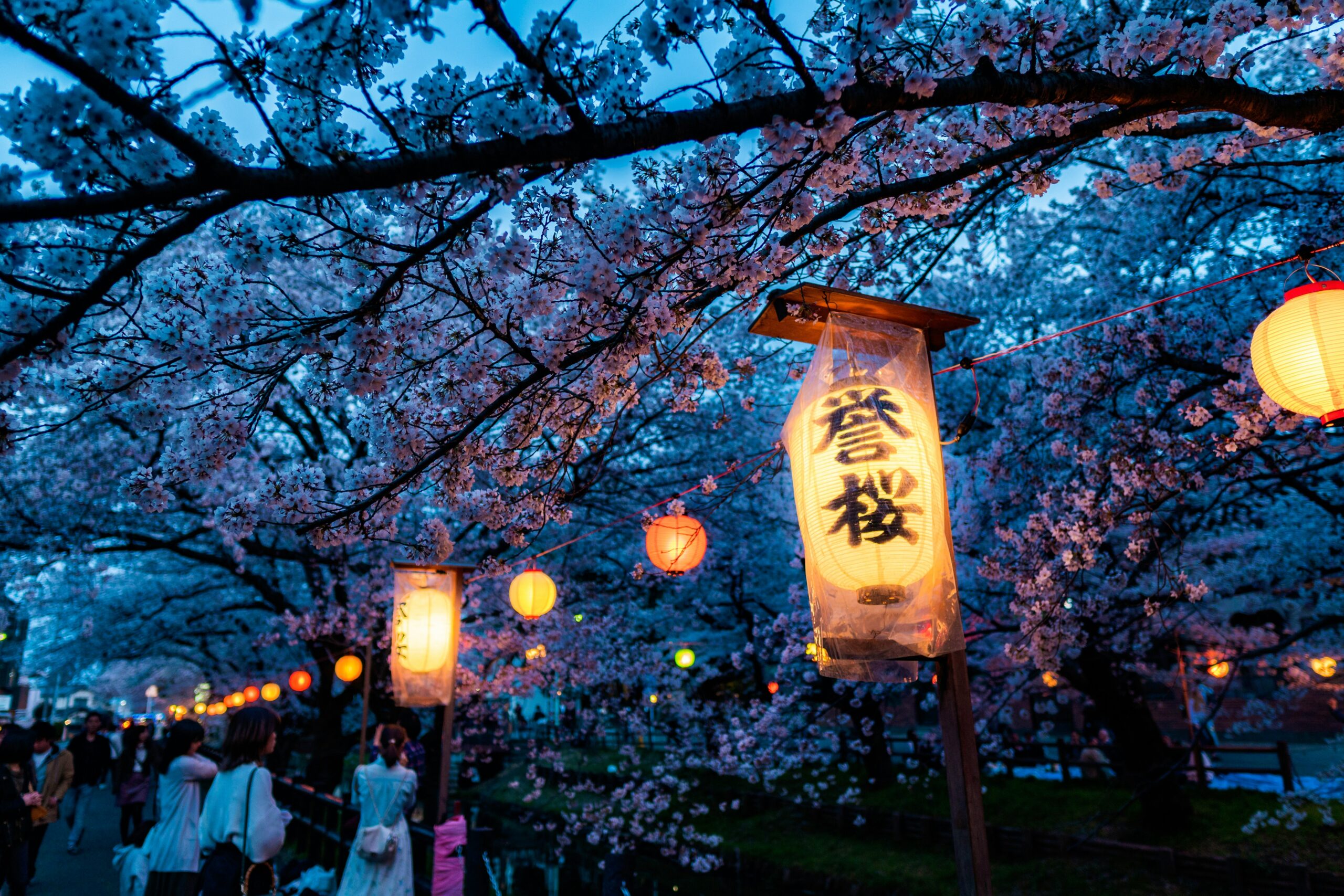
Are you travelling to Japan this season? This spring in Japan travel guide will help you discover hidden cultural experiences, the best places to visit, and estimated costs for 2026.
Spring in Japan is one of the most beautiful times of the year. But here’s the truth, most tourists only scratch the surface. They come for cherry blossoms, take photos, and miss out on the deeper cultural experiences that make this season truly special.
This spring in Japan travel guide goes beyond Instagram spots. You’ll explore unique traditions, must-visit locations, and realistic travel costs so you can experience Japan like a local in 2026.
Why This Spring in Japan Travel Guide Is Different
Unlike typical blogs, this spring in Japan travel guide focuses on cultural insights, local experiences, and practical budgeting tips. Whether you’re a first-time visitor or living in Japan, this guide helps you explore beyond tourist cliches.
Table of Content
– Why This Spring in Japan Travel Guide Is Different
– 10 Cultural Things Tourists Don’t Know
– Best Places to Visit in Spring
– Estimated Travel Cost in Japan
When is cherry blossom season in Japan?
Typically from late March to early April in cities like Tokyo and Kyoto.
1. Hanami Is a Celebration, Not Just Flower Viewing
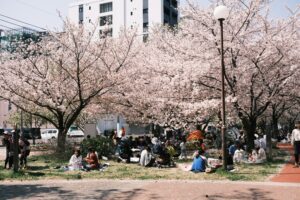
Hanami (flower viewing) is one of Japan’s most loved traditions. It’s not just about admiring cherry blossoms—it’s about gathering with friends, enjoying food, and celebrating the season together under blooming trees.
Best places to experience hanami include Ueno Park and Sankeien Garden.
Estimated cost: Around ¥1,000–¥3,000, (₹1,160 – ₹2,320) approx for food and drinks.
Entry to gardens may cost ¥500 – ¥900, ( ₹290 – ₹870 app ) approx.
2. Seasonal Food Is Everywhere
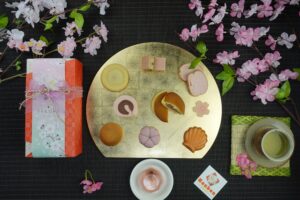
Spring in Japan brings a wave of limited-edition foods, especially sakura-flavored desserts, drinks, and snacks. From cherry blossom mochi to themed lattes, everything feels seasonal.
Try these at Starbucks Japan or local convenience stores.
Cost: ¥300–¥800 per item. ( ₹140 – 500 approx )
3. Spring Festivals Are Deeply Cultural

Many tourists miss Japan’s traditional spring festivals, which are full of history, performances, and vibrant street food.
Popular festivals include the Takayama Spring Festival and Kanda Matsuri.
Cost: Entry is usually free, but you might spend ¥1,000–¥3,000 (₹580 – ₹1,740 approx) on food and souvenirs.
4. Spring Is Peak Travel Season

Cherry blossom season attracts millions of visitors, making travel more expensive than usual. Trains and hotels get booked quickly.
Traveling via the Shinkansen (Train) is fast but can be costly.
Estimated cost:
- Train tickets: ¥13,000 – ¥15,000 (₹7,540 – ₹8,700) (Tokyo to Kyoto)
- Hotels: ¥8,000 – ¥20,000 per night, ₹4,640 – ₹11,600 approx
- price may vary,
Tip: Book at least a month in advance to save money.
5. Wearing a Kimono Is an Experience
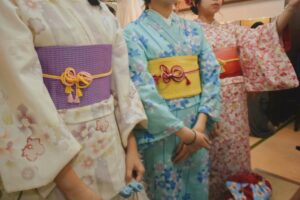
Many visitors rent a kimono for photos, but it’s also a meaningful way to connect with Japanese culture and tradition.
Best areas include Asakusa and Gion District.
Cost: ¥3,000 – ¥6,000, (₹1,740–₹3,480 approx) including styling.
6. Cleanliness Is a Cultural Norm
Even during crowded hanami parties, Japan remains clean. Public trash bins are rare, and people carry their garbage home.
Cultural tip: Always keep a small bag with you for waste.
7. Early Morning Sakura Is the Real Secret
Tourists usually visit in the afternoon, but locals prefer early mornings when parks are peaceful and less crowded.
A great quiet spot is Shinjuku Gyoen National Garden.
Entry fee: Around ¥500.
8. Temples Look Magical in Spring
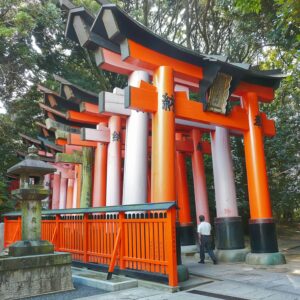
Spring transforms Japan’s temples and historical sites into breathtaking landscapes with cherry blossoms surrounding them.
Must-visit locations include Kiyomizu-dera and Himeji Castle.
Entry cost: ¥400–¥1,000. (₹150 – ₹580) approximately.
9. Spring Is Also Big Shopping Season
March and April are big sale months in Japan. You’ll find discounts on clothing, souvenirs, and seasonal items.
Top shopping areas include Shibuya and Dotonbori.
Budget: ¥5,000 – ¥20,000, (₹3320 – ₹17,000) depending on your spending style.
10. The Weather Can Be Unpredictable
Spring weather in Japan can change quickly. One moment it’s sunny, the next it’s rainy or chilly.
Essentials:
- Umbrella: ¥500 – ¥1,000, (₹290 – ₹580)
- Light jacket: ¥3,000 – ¥7,000
Always check the weather forecast before heading out.
Estimated Daily Budget for Spring in Japan (2026)
| Category | Cost (¥) |
|---|---|
| Food | 2,000–4,000 |
| Transport | 1,000–3,000 |
| Entry Fees | 500–1,500 |
| Shopping | 2,000–10,000 |
| Total | 5,500–18,500/day |
In Indian Rs. Total for one day will be approximately around ₹3,190 – ₹10,730/day.
Helpful Resources
- Japan Railways (JR) – https://www.japan.travel/en/plan/getting-around/jr/
Conclusion
This spring in Japan travel guide gives you everything you need—from cultural insights to budgeting tips. Use this guide to explore Japan beyond cherry blossoms and create a truly memorable experience.
Related Articles
If you’re planning a longer stay, check your guide on learning Japanese basics for your easy travel.